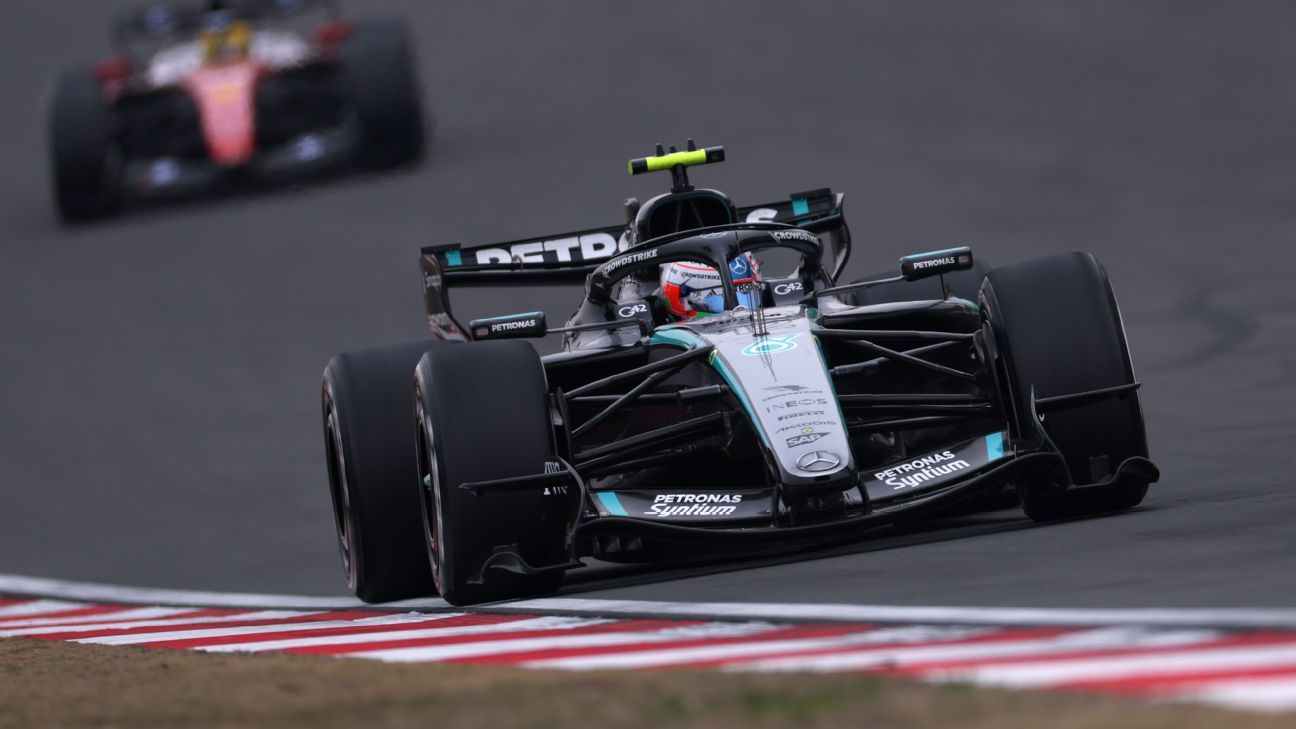
The FIA, the governing body of Formula 1, has announced a last-minute adjustment to the qualifying session rules for this weekend's Japanese Grand Prix. The change comes amid concerns raised by drivers who were worried that the original regulations would require them to concentrate heavily on energy harvesting systems during qualifying, potentially impacting their performance and safety.
Originally, the rules were set to emphasize the importance of energy harvesting, which is a critical aspect of modern F1 cars' hybrid systems. However, drivers expressed apprehension that this focus could distract from optimal lap times and increase the risk of mistakes or technical issues during the crucial qualifying runs.
In response, the FIA swiftly reviewed the regulations and decided to implement a late change to simplify the qualifying procedures. The revised rules aim to reduce the emphasis on energy harvesting during the session, allowing drivers to concentrate more on outright speed and race setup without the added pressure of managing energy systems in real-time.
This decision has been met with mixed reactions within the paddock. Some teams and drivers welcomed the move, believing it would lead to more competitive and safer qualifying sessions. Others expressed concern that the change might undermine efforts to promote hybrid technology and energy efficiency, which are key components of F1's sustainability initiatives.
The timing of the rule change is unusual, as it was announced just hours before the start of qualifying. This has led to some logistical challenges for teams, who had to quickly adjust their strategies and car setups to align with the new regulations.
Despite the late notice, the FIA has assured teams and fans that the modifications are designed to enhance the fairness and excitement of the session. The governing body emphasized that safety remains a top priority and that the adjustments are intended to ensure a level playing field for all drivers competing at Suzuka Circuit.
As the Japanese GP approaches, all eyes are on how these rule changes will influence qualifying performances and race outcomes. The decision highlights the ongoing balancing act in Formula 1 between technological innovation, driver safety, and competitive fairness.
Ultimately, this incident underscores the dynamic nature of F1 regulations, which can be adapted swiftly in response to driver feedback and evolving race conditions. Fans and teams alike will be watching closely to see if these late adjustments lead to more thrilling and equitable racing this weekend.